To manage the yellow color of the teeth, it helps to understand basic dental anatomy. The outer layer of your tooth consists of translucent white enamel, while the layer beneath it—dentin—is naturally yellow. Over time, external stains or thinning enamel make the underlying dentin more visible.
Extrinsic stains result from frequent exposure to dark beverages like coffee, tea, and red wine, as well as tobacco products. Intrinsic discoloration, on the other hand, develops inside the tooth structure due to aging, certain medications, or childhood fluoride exposure. Recognizing which type of staining you have helps you choose the right approach to restore your teeth.
Safe Practices vs. Hazardous DIY Hacks
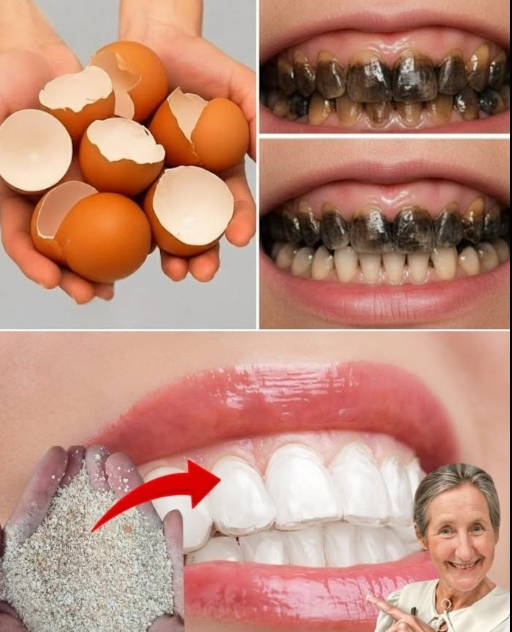
Viral claims frequently advocate using crushed eggshells, baking soda, or acidic fruit peels as DIY whitening pastes. While eggshells consist primarily of calcium carbonate, using coarse homemade powders directly on your teeth creates severe micro-abrasions.
Scrubbing your teeth with unrefined abrasive particles wears down protective enamel permanently. Because enamel cannot regenerate, thinning it actually exposes more yellow dentin underneath, ultimately making the yellow color of the teeth worse over time. Stick to professionally evaluated techniques to protect your oral health. 🦷
Proven Benefits of Professional and Daily Dental Hygiene
- Preserves Tooth Enamel: Controlled whitening methods protect the protective outer layer of your teeth while lifting deep surface stains.
- Prevents Sensitivity: Dental-grade carbamide or hydrogen peroxide gels target discoloration without causing chronic nerve irritation.
- Improves Overall Oral Health: Regular brushing, flossing, and professional cleanings remove plaque bio-film and prevent gum inflammation.
- Delivers Long-Lasting Results: Consistent daily habits maintain a clean, vibrant smile far better than quick-fix remedies. 🪥
Safety Warnings and Best Practices for Stained Teeth
Addressing the yellow color of the teeth requires caution to avoid irreversible damage to your gums and enamel:
- Avoid Abrasive DIY Pastes: Never scrub your teeth with crushed eggshells, coarse salt, or activated charcoal powders, as they strip away enamel.
- Limit Acidic Exposure: Refrain from applying pure lemon juice or vinegar to your teeth; acids dissolve essential dental minerals rapidly.
- Consult a Dentist First: Schedule a professional examination before starting any whitening treatment to ensure your teeth and gums are healthy.
Key Factors Influencing Tooth Color
| Discoloration Factor | Primary Mechanism | Recommended Strategy |
| Dietary Stains | Surface accumulation from dark foods | Regular brushing & professional cleaning |
| Enamel Thinning | Natural wear exposing yellow dentin | Gentle remineralizing fluoride toothpaste |
| Plaque Buildup | Bacterial film trapping yellow pigments | Daily flossing & antimicrobial rinses |
Long-Term Maintenance for a Healthy, Bright Smile
Maintaining a healthy smile after tackling the yellow color of the teeth comes down to consistent preventive care. Rinse your mouth with water immediately after consuming dark coffee, tea, or acidic fruits to reduce stain absorption.
Incorporate a soft-bristled toothbrush and fluoride or hydroxyapatite toothpaste into your twice-daily routine. Fluoride and hydroxyapatite help remineralize microscopic enamel surfaces, keeping your teeth smooth, strong, and resistant to future discoloration. 🌿
Frequently Asked Questions
Can you really fix the yellow color of the teeth in five minutes?
No single treatment permanently lightens teeth in five minutes. While professional in-office bleaching offers fast results in about an hour, safe whitening requires gradual, evidence-based application to protect enamel.
Are eggshells safe to use as a tooth whitening paste?
Crushed eggshells are far too abrasive for direct use on human teeth. Using them as a homemade scrub damages enamel and worsens long-term discoloration.
What is the safest way to treat the yellow color of the teeth at home?
The safest home methods include using ADA-accepted whitening toothpastes, dentist-recommended whitening strips, and maintaining consistent daily brushing and flossing habits.
Achieving a healthy, confident smile relies on protecting your enamel rather than chasing risky internet shortcuts. By understanding what drives the yellow color of the teeth and adopting safe, dentist-approved care, you keep your teeth strong and bright for years to come. What are your favorite daily habits for keeping your smile fresh?