
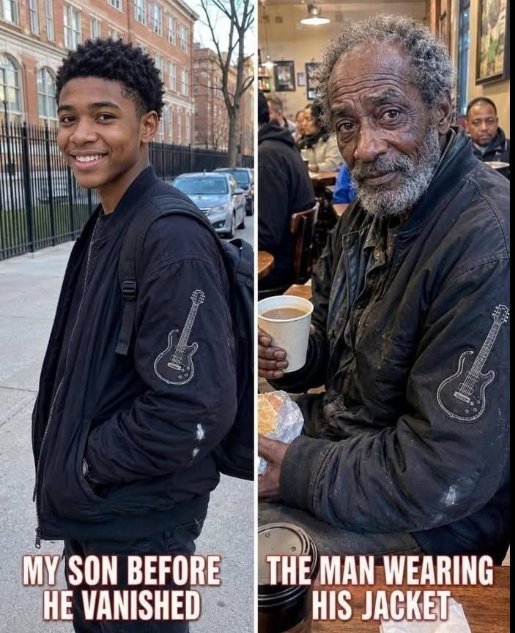
The decaying wooden door creaked open into a heavy, suffocating silence, revealing a figure standing in the dim threshold that made the blood in my veins turn to absolute ice. For a terrifying, heart-stopping second, my mind screamed that it was Daniel—the same slendershouldered frame, the same slightly tilted posture, and the familiar messy dark hair that I had brushed away from his forehead for sixteen years. But as the figure stepped slightly forward into the pale afternoon light, the painful illusion shattered into a cold, disorienting reality. It was a young girl, perhaps a year or two younger than my son, wearing an oversized flannel shirt with sleeves pulled down over her hands. Her eyes were wide with a hyper-vigilant terror that only comes from living on the absolute fringes of safety, and she scanned the perimeter of the overgrown front yard before stepping back to let the elderly man inside.
I crouched low behind a row of wild, unpruned hydrangeas near the rusted property line, my heart pounding so violently against my ribs that I was certain they could hear it from the porch. The old man didn’t pause in the doorway; instead, he immediately handed the warm paper cup of tea and the untouched bun to the girl, who accepted them with a subtle, desperate gratitude that spoke volumes about their living conditions. She took a tiny sip of the tea, her hands trembling around the cardboard cup, before whispering something to the old man that made him nod solemnly and point back toward the direction of the city center. Through the cracked frame of the doorway, I could see glimpses of the interior—tattered blankets laid out over rotting floorboards, dozens of empty water bottles stacked against the peeling wallpaper, and several makeshift sleeping setups that suggested this abandoned shell of a house was harboring far more than just two forgotten souls.
Every parental instinct in my body demanded that I sprint up those rotting wooden steps, burst through the entrance, and demand to know how my son’s hand-stitched guitar-patch jacket had ended up draped over an elderly homeless man’s shoulders. Yet a cold, pragmatic voice of caution held me back in the damp soil; if I rushed them, if I panicked them, they might scatter into the labyrinth of this unfamiliar city’s alleyways, taking the only tangible clue to Daniel’s disappearance with them. I watched as the old man carefully unzipped the jacket—Daniel’s jacket—and hung it over a broken wooden chair near the threshold with a level of reverence that seemed almost sacred. It wasn’t treated like mere discarded clothing scavenged from a dumpster; it was handled like a vital lifeline, a protective shield against the elements that held immense value to everyone inside that broken shelter.
As the late afternoon sun began to dip beneath the treeline, casting long, bruised-purple shadows across the dilapidated structure, the girl stepped out onto the porch holding an empty plastic bucket. She moved with a practiced, quiet stealth, her eyes constantly darting toward the treeline as if she expected someone—or something—to emerge from the surrounding woods at any moment. As she bent down to collect rainwater from a rusted barrel near the porch steps, the hem of her oversized shirt shifted, revealing a worn canvas backpack resting against the inner doorframe. Stenciled in faded black marker across the top flap was a set of initials I recognized instantly: D. A. M.—Daniel Alexander Miller. The realization hit me like a physical blow, leaving me breathless in the dirt, but what happened when the girl turned toward the woods in Part 3 proved that my son’s disappearance was far more dangerous than a simple runaway case.




