
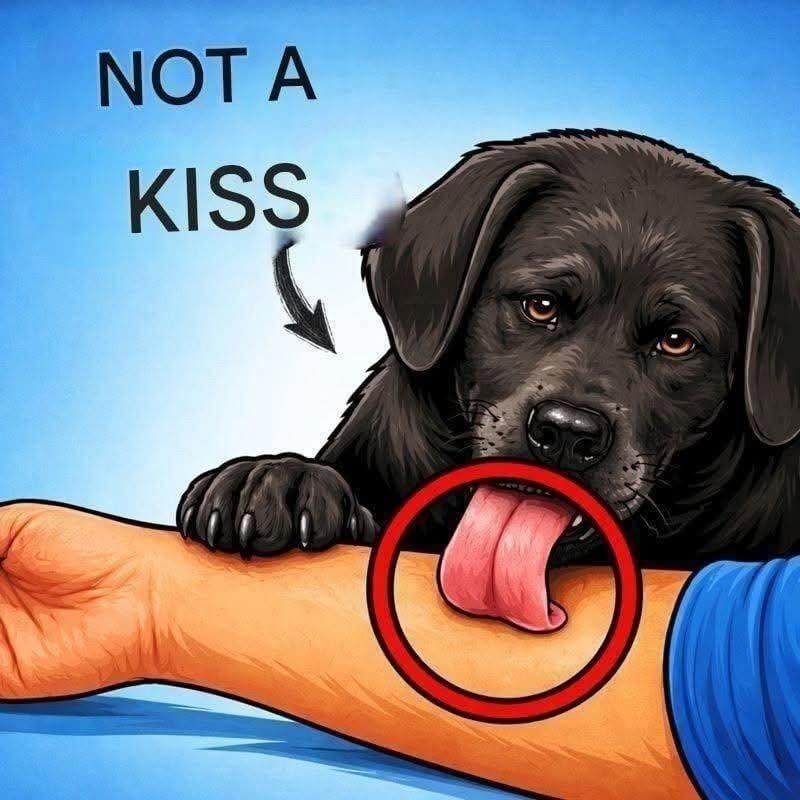
# Why Dogs Lick You is Not Always a Kiss: Hidden Reasons Explained
**Why dogs lick you** might seem like a simple sign of affection, but behind every single swipe of a dog’s tongue lies a complex communication tool that goes far beyond unconditional love 🐶. When your faithful canine companion leans in and begins licking your skin, your natural instinct is to assume they are showering you with wet, slobbery kisses. While affection is certainly part of the story, behavioral specialists and biological research reveal that a dog’s tongue serves as a primary sensor for gathering information, expressing psychological states, and regulating physical needs. Understanding these subtle behavioral cues allows pet owners to bond far more deeply with their furry companions while keeping a watchful eye on their physical and emotional health.
—
Every time a dog licks human skin, their sensory system goes into overdrive. A dog’s tongue contains thousands of sensory receptors designed to analyze scents, chemical compounds, and environmental cues. When you come home after a long day at work, exercise at the gym, or prepare a meal in the kitchen, your skin carries a rich tapestry of microscopic information. Dogs utilize their sense of taste in tandem with their powerful sense of smell to decode where you have been, who you were with, and what emotional state you might be experiencing. Sweat contains tiny trace amounts of salt, minerals, and pheromones, making human skin an enticing target for a dog seeking sensory feedback or simply a tasty, salty snack.
—
Beyond basic taste exploration, licking plays a vital role in canine communication and social bonding from the very beginning of a dog’s life. Mothers lick their newborn puppies immediately after birth to stimulate breathing, clean their coats, and foster an intense physical bond. As puppies grow, they learn to lick their mothers’ faces as a submissive gesture to request food and signal deference within the pack structure. This deep-seated instinct carries directly into adult life and interaction with human family members. When your dog licks your hands, face, or arms, they are often expressing respect, acknowledging your role as the pack leader, and attempting to maintain harmony within the household unit.
—
It is also worth considering the powerful neurological effects that the physical act of licking produces inside a dog’s brain. Repetitive licking releases endorphins and dopamine—the body’s natural “feel-good” neurochemicals—which promote a profound sense of comfort, relaxation, and security 🐾. When a dog feels mildly stressed by loud noises, sudden household changes, or unfamiliar visitors, engaging in rhythmic licking helps them self-soothe and lower their heart rate. In this sense, licking functions much like a stress-relief mechanism, helping your pet manage daily anxiety in a busy human environment.
—
## The Hidden Physiology Behind Why Dogs Lick You
From an alternative wellness and holistic health perspective, animal behavior is deeply tied to internal physiological balance. Just as humans express underlying health imbalances through physical symptoms, dogs manifest subtle physiological changes through modified behaviors. When analyzing **why dogs lick you**, holistic veterinarians pay close attention to the frequency, intensity, and context of the behavior. Sweat and skin secretions carry volatile organic compounds that reflect blood sugar levels, hormonal fluctuations, and stress hormone concentrations such as cortisol.
—
Dogs possess an extraordinary organ situated in the roof of their mouth known as the vomeronasal organ, or Jacobson’s organ. This specialized anatomical structure allows canines to “taste-smell” chemical signals in the air and on surfaces. When your dog licks your skin repeatedly after you have had a stressful day, they are actively processing the cortisol molecules present in your sweat. They are not merely offering a affection-filled gesture; they are registering your emotional strain and attempting to comfort you while gathering crucial information about your internal biochemical balance.
—
Furthermore, human skin produces a natural oil layer rich in fatty acids and moisture, which can appeal to a dog’s nutritional instincts. If a dog is experiencing slight dietary deficiencies or craves additional minerals in their daily routine, they may seek out the natural salts present on human skin with greater urgency. Observing when and where your dog targets their licking can provide fascinating clues about their immediate environment and physical condition.
—
However, there is an even more profound biological trigger for this behavior that most pet owners completely overlook, involving an ancient instinct preserved in canine DNA ….👇👇
—
This ancient instinct traces straight back to pack communication and instinctual survival strategies in wild canines. In wild wolf packs, younger members lick the muzzle of older, returning hunting members as a peaceful greeting to solicit regurgitated food and check the health of the pack. When your domestic dog licks your mouth or chin, they are tapping into this deeply embedded ancestral routine, checking if you brought back sustenance or simply reassuring themselves of your safe return.
—
## When Excessive Licking Points to Stress or Health Issues
While occasional licking is entirely normal, persistent or compulsive licking can be an indicator of underlying stress, boredom, or physical discomfort. When a dog turns licking into a hyper-focused habit—licking themselves, furniture, or their owner uncontrollably—it is crucial to evaluate their environment and physical health 🩺. Compulsive behaviors in pets often point to inadequate physical exercise, mental under-stimulation, or chronic separation anxiety.
—
* **Anxiety and Stress Management:** Dogs suffering from separation anxiety often resort to repetitive licking as a calming mechanism to cope with loneliness.
* **Allergies and Skin Irritation:** Environmental allergies, food sensitivities, or underlying joint pain can cause dogs to lick their own paws or body excessively before transferring the behavior to their owners.
* **Seeking Attention:** Dogs learn quickly that licking yields immediate reactions from humans, whether positive laughter or gentle vocal reprimands.
—
To address excessive licking holistically, focus on increasing daily mental enrichment through interactive puzzle toys, longer exploratory walks, and soothing calming therapies. Ensuring your dog receives a balanced, nutrient-dense diet also helps prevent compulsions stemming from physical discomfort or nutritional gaps.
—
### Frequently Asked Questions
**Is it safe to let my dog lick my face or hands?**
For healthy individuals, occasional contact with intact skin is generally harmless. However, dog saliva contains bacteria such as *Capnocytophaga*, which can pose risks to individuals with compromised immune systems, open wounds, or broken skin.
**How can I gently train my dog to stop licking me constantly?**
Redirect their energy by offering a chew toy or rewarding them with praise when they sit quietly. Avoid giving immediate verbal or physical attention when they begin licking, as even negative attention reinforces the behavior.
**Can a dog’s licking mean they are in physical pain?**
Yes, if a dog is experiencing internal pain or localized joint discomfort, they may lick themselves or their owner more frequently as a natural coping mechanism driven by endorphin release.
—
Understanding the true meaning behind **why dogs lick you** deepens the emotional connection between you and your pet. By paying attention to their body language, environmental cues, and physical health, you can respond thoughtfully to their unique way of communicating ❤️. Embrace the wonderful bond you share, support their overall wellness through proper nutrition and mental engagement, and enjoy every meaningful moment with your faithful companion!




