
Traditional laundry detergent and liquid softeners often leave hidden residues that degrade fabric quality over time.
- Detergent Residue Trapping: Excessive liquid detergent clings to organic cotton fibers, attracting dirt and turning white fabrics a dull gray or yellow.
- Fabric Softener Coating: Commercial fabric softeners deposit silicone-based chemicals over towel loops, reducing their capacity to absorb moisture.
- Hard Water Mineral Deposits: Calcium and magnesium in hard water bind to fabric threads, causing garments to feel scratchy against skin.
- Mildew and Odor Retention: Trapped body oils and lingering moisture foster stubborn mildew smells in thick bath towels.
Primary Benefits of Using Vinegar for Whiter Whites and Softer Towels
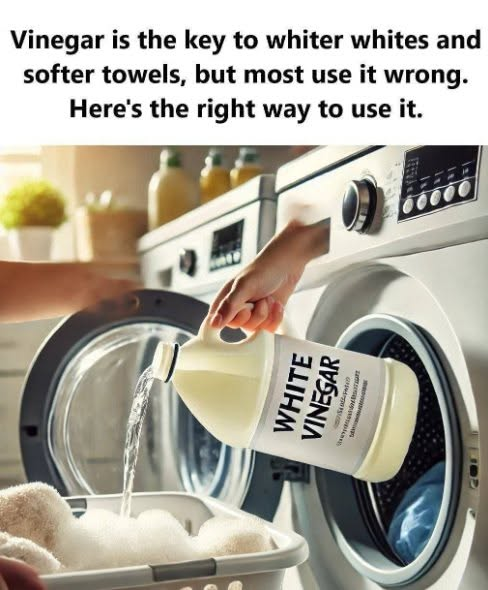
Incorporating white vinegar into your laundry care delivers remarkable results when added at the correct time during the wash cycle.
- Brightens White Fabrics Naturally: Acetic acid dissolves soap scum and yellowing oxidation, reviving crisp white shirts and bedsheets.
- Restores Towel Absorbency: Strips away waxy fabric softener coatings so towel loops can lift water effortlessly from your skin.
- Neutralizes Tough Odors: Destroys persistent sweat, pet, and mildew smells without masking them under synthetic fragrances.
- Softens Fabrics Naturally: Relaxes fabric fibers by neutralizing residual alkaline laundry detergents during the final rinse.
Common Vinegar Laundry Mistakes You Must Avoid
Pouring vinegar directly onto clothes or mixing it with liquid detergent in the main wash compartment is a widespread mistake. Because laundry detergents are slightly alkaline and vinegar is acidic, combining them simultaneously neutralizes both solutions, leaving you with plain water and wasted products.
Additionally, using dark specialty vinegars like apple cider vinegar or balsamic vinegar will stain light-colored clothing. Always stick to clear, distilled white vinegar with a standard 5% acidity concentration.
To protect your washing machine, avoid over-using concentrated vinegar, as continuous exposure can degrade delicate rubber door seals or internal hoses over time. Using the exact recommended dose in the proper compartment guarantees bright, plush fabrics safely.




