
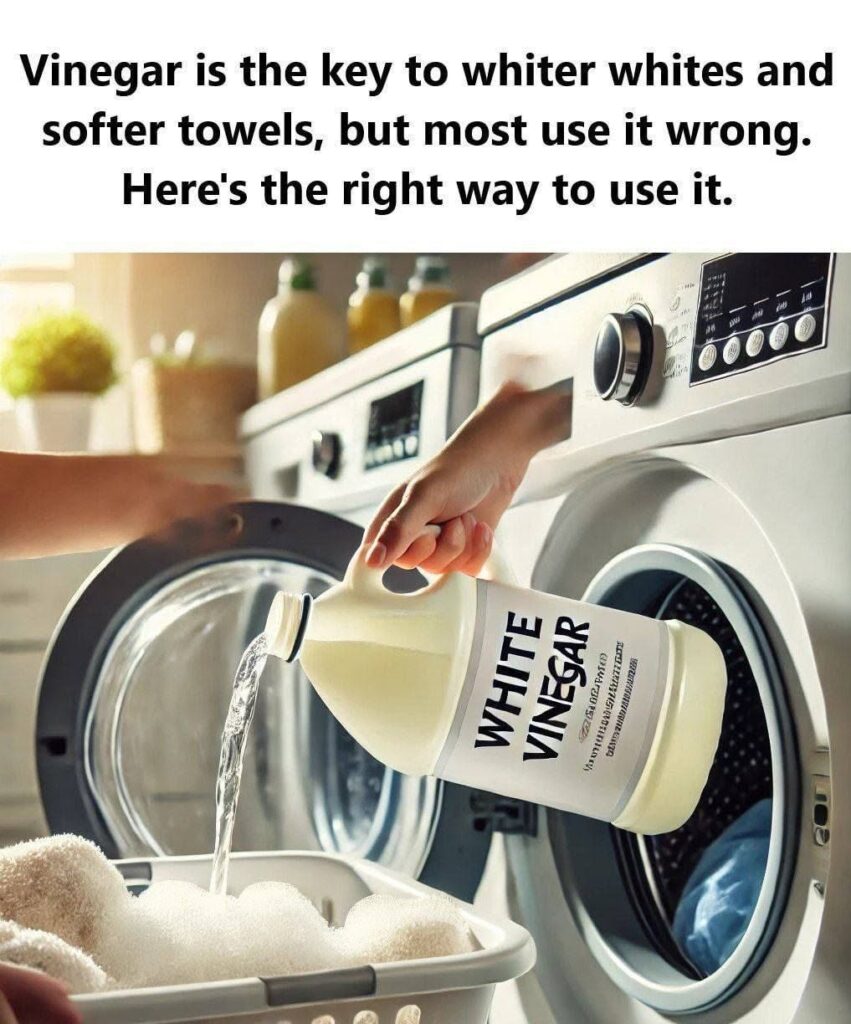
Vinegar for Whiter Whites and Softer Towels: The Right Way to Use It
Vinegar for whiter whites and softer towels is one of the most effective, eco-friendly secrets in home care, yet almost everyone uses it incorrectly in their laundry routine. If your bath towels feel stiff, scratchy, and dingy despite using expensive detergents and fabric softeners, you are far from alone. Commercial softeners leave a greasy chemical film on cotton fibers, which actually traps dirt and locks in foul odors over time. By mastering the proper technique of using distilled white vinegar, you can instantly break down soap scum, restore natural fluffiness, and make dingy fabrics look brand new without harsh synthetic additives.
Why Standard Laundry Methods Make Towels Rough and Dull
Most people assume that adding more detergent or liquid fabric softener will make laundry cleaner and softer, but the opposite is true. Laundry detergents are alkaline and often leave microscopic residues bound to fabric fibers during washing cycles. When combined with hard water minerals like calcium and magnesium, these residues build up into a sticky layer. Fabric softeners attempt to mask this problem by coating the threads in silicone and wax compounds. While this creates an artificial slickness at first, it ultimately coats the cotton, reducing water absorbency and trapping mildew smells deep inside your linens.
The Hidden Power of Distilled White Vinegar
Distilled white vinegar contains mild acetic acid, which possesses a natural pH balance perfect for neutralizing alkaline laundry detergents. When introduced into the washing process, the acetic acid dissolves mineral deposits, strips away built-up detergent residue, and neutralizes lingering bacteria that cause musty odors. Unlike commercial softeners, it leaves zero chemical coating behind, allowing cotton fibers to relax, expand, and absorb water as they were designed to do.
Beyond softening textures, white vinegar acts as a brilliant natural brightener. It breaks down the invisible mineral film that causes white clothes to appear gray, yellow, or faded over time, returning crisp contrast to your wardrobe without damaging delicate threads.
The Big Mistake Most People Make in the Wash
The main reason people fail to get great results with vinegar for whiter whites and softer towels comes down to simple timing. Dumping a splash of vinegar directly into the drum at the start of the cycle alongside your regular laundry detergent completely eliminates its beneficial effects. Because detergent is alkaline and vinegar is acidic, mixing them together at the beginning neutralizes both liquids instantly. The detergent loses its cleaning strength, and the acid in the vinegar is wasted before it can break down residues.
To get hotel-quality softness and glowing white fabrics, you must introduce vinegar into the rinse cycle when the soap has already been washed away. However, there is a far more critical golden rule that determines whether vinegar protects your clothing or secretly damages your washing machine over time….👇👇
To safely achieve incredible results, always pour half a cup of distilled white vinegar directly into the fabric softener compartment of your washing machine drawer. By putting it in this specific dispenser, your washing machine automatically releases the liquid during the final rinse phase, ensuring maximum residue removal without interfering with detergent action during the main wash.
Step-by-Step Method for Ultra-Soft Towels and Bright Whites
For routine washing, follow this effortless step-by-step routine to maintain vibrant, velvety linens every single week:
-
Step 1: Load your washing machine with white garments or towels, taking care not to overload the drum so water circulates freely.
-
Step 2: Add your standard amount of gentle laundry detergent into the main detergent drawer. Avoid overusing detergent, as excess soap creates extra buildup. 🧼
-
Step 3: Pour 1/2 cup (120 ml) of distilled white vinegar into the fabric softener compartment.
-
Step 4: Select a warm water cycle for regular whites or a hot water cycle for heavy cotton towels to effectively loosen set-in oils.
-
Step 5: Dry your laundry on medium heat or hang items outdoors in bright sunlight, which provides a natural UV whitening boost.
The Deep-Cleaning Vinegar Soak for Stiff or Yellowed Fabrics
If your bath towels are extremely scratchy or your white shirts have yellowed underarms, a quick wash cycle won’t be enough to clear years of wax buildup. You need a dedicated deep-soaking treatment to strip the fabrics back to their original state:
-
Fill a clean bucket or tub with hot water.
-
Stir in 1 cup of distilled white vinegar along with 1/2 cup of baking soda. (Note: Add the baking soda slowly as it fizzes pleasantly). ✨
-
Submerge your towels or dull white garments completely and let them soak for at least 2 to 4 hours, or overnight for severe discoloration.
-
Transfer the items into your washing machine and run a complete cycle with warm water and half the normal amount of detergent.
-
Finish with another 1/2 cup of vinegar in the rinse compartment to leave items extraordinarily soft.
Is Vinegar Safe for Your Washing Machine?
A common question among homeowners is whether regular vinegar usage damages appliance seals. Because white household vinegar has a mild acidity level of around 5%, using half a cup in the designated rinse dispenser diluted with gallons of rinse water is completely safe for standard front-load and top-load machines.
To maintain total safety, avoid using highly concentrated industrial cleaning vinegar (which reaches 20% acidity or higher) in laundry appliances. Additionally, never mix vinegar directly with chlorine bleach, as combining acid and bleach releases dangerous chlorine gas fumes. Stick strictly to pure distilled white vinegar for a clean, non-toxic household experience. 🌿
Frequently Asked Questions
Will my clothes and towels smell like vinegar after washing?
Not at all! The sour vinegary smell washes away completely during the rinse cycle. Once your items are dried in a dryer or on a clothesline, they will smell completely neutral, clean, and fresh.
Can I use apple cider vinegar instead of white vinegar?
It is strongly recommended to stick to distilled white vinegar. Apple cider vinegar contains natural tannins and amber coloration that can potentially stain delicate white fabrics over repeated washes.
How often should I use vinegar for whiter whites and softer towels?
You can safely use vinegar in every rinse cycle for towel loads. For general clothing, using it every 2 to 3 washes is ideal to prevent soapy buildup and keep colors crisp.
Transforming your laundry routine does not require expensive eco-treatments or chemical additives. By simply adding distilled white vinegar into your final rinse cycle, you eliminate harsh residues, protect cotton fibers, and restore magnificent softness to everyday linens. Try this simple laundry hack during your very next wash load, and enjoy the luxurious comfort of bright, plush towels every single day!




