
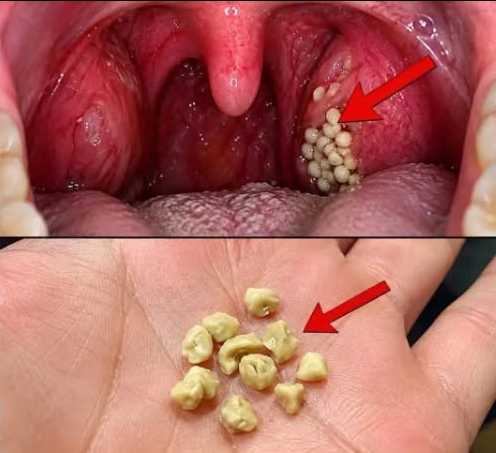
Tonsil stones are small, hard clusters of calcified debris that form in the deep crevices of your tonsils. If you have ever noticed small, foul-smelling white or yellowish lumps popping out of the back of your throat, you are likely dealing with tonsilloliths. These peculiar formations catch many people off guard, raising urgent questions about oral hygiene, body health, and how to stop them from coming back.
Understanding what causes these stubborn white formations is the first step toward reclaiming your fresh breath and throat comfort. Tonsils are packed with nooks, crannies, and crypts designed to trap bacteria and foreign particles to protect your immune system. However, when microscopic bits of food, dead cells, mucus, and bacteria accumulate inside these pockets, they can harden over time. Without proper daily preventative habits, these trapped particles calcify into those hard white lumps you might cough up unexpectedly.
What Causes Tonsil Stones to Form?
The root cause of tonsil stones lies in the unique anatomical structure of the tonsils themselves. Everyone has tonsil crypts, but some people naturally have larger or deeper crypts that easily trap debris. When you eat, microscopic food particles—especially dairy products, sugary foods, and proteins—mix with saliva and get wedged deep inside these folds.
As time passes, anaerobic bacteria feed on this trapped organic matter. Because these deep crypts lack oxygen, the environment becomes a breeding ground for sulfur-producing bacteria. This chemical reaction not only creates the classic, overpowering bad smell associated with tonsil stones, but it also triggers a hardening process. Minerals like calcium and magnesium present in your saliva slowly deposit onto the trapped mass, turning soft debris into rigid, pebble-like stones.
- Poor Oral Hygiene: Inconsistent brushing, flossing, and skipping tongue scraping allow plaque and bacteria to thrive throughout the oral cavity.
- Chronic Tonsil Inflammation: Repeated bouts of tonsillitis or chronic throat irritation can cause tonsil crypts to deepen and scar, creating more hiding spots for debris.
- Dry Mouth: Saliva acts as a natural cleanser that washes away food particles. Conditions causing a dry mouth significantly increase your risk of stone formation.
- Large Tonsils: Naturally larger tonsils possess a higher surface area and deeper pockets where organic material easily lodges during swallowing.
The Hidden Impact on Your Daily Life
Living with chronic tonsil stones goes far beyond finding a strange white lump on a tissue. The most common and distressing side effect is persistent halitosis, or chronic bad breath, that refuses to go away no matter how many times you brush your teeth or use mouthwash. Because tonsil stones are essentially packed balls of decomposing bacteria and food debris, they emit a pungent, sulfur-like odor.
Beyond bad breath, many individuals experience a persistent scratchy throat, a foreign body sensation as if something is permanently stuck in the back of the throat, and occasional ear pain due to shared nerve pathways. In severe cases, inflamed tonsils combined with hard stones can make swallowing uncomfortable and trigger frequent coughing fits. Recognizing these signs early allows you to take action before the condition worsens or leads to secondary infections.
Effective Ways to Manage and Prevent Tonsil Stones
When dealing with tonsil stones at home, gentle care is essential to avoid injuring delicate throat tissue. Many people attempt aggressive removal methods using sharp objects, which can cause severe bleeding, trauma, and dangerous bacterial infections. Instead, focusing on consistent daily habits and gentle mechanical removal can dramatically reduce their frequency and size.
If you need to dislodge an existing stone safely, gargling vigorously with warm saltwater can help loosen the debris from the crypts naturally. Some people use a clean cotton swab to gently press near the base of the stone, but this must be done with extreme caution. To prevent them from returning entirely, upgrading your daily routine makes all the difference….👇👇




