
Part 2: Scientific Analysis, Realities, and Practical Application
Fact-Checking the “Miracle Cure” Claims
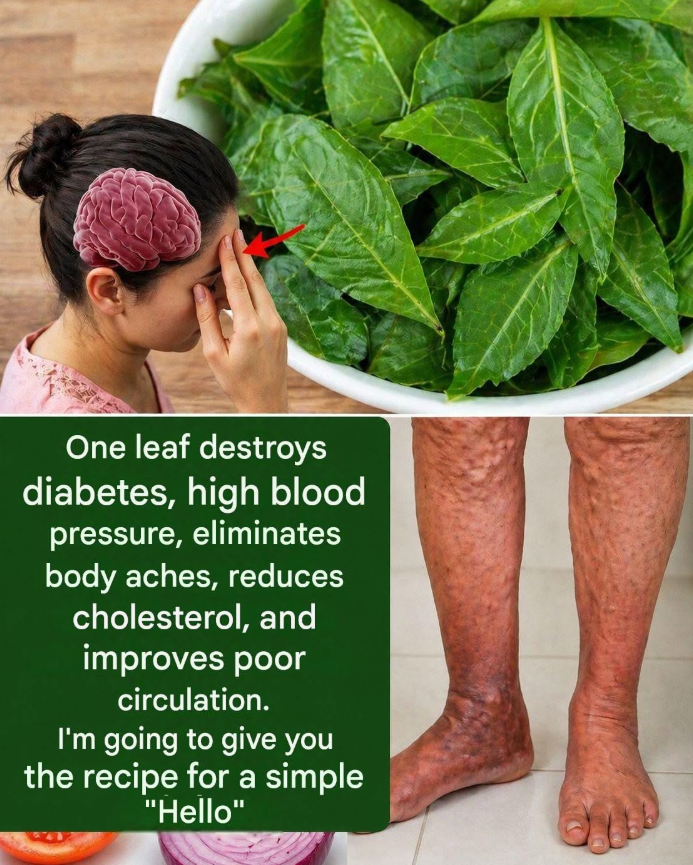
To maintain a safe and grounded approach to personal wellness, it is crucial to separate scientifically backed health benefits from exaggerated internet claims.
The Scientific Reality:
- Diabetes Management: No single leaf can “destroy” or cure Type 1 or Type 2 diabetes. While certain herbal teas (such as green tea, cinnamon tea, or guava leaf tea) can improve insulin sensitivity as part of a balanced diet, they cannot replace insulin therapy or oral hypoglycemic medications.
- Hypertension and Circulation: Herbal diuretics and vasodilators can support healthy blood pressure, but severe arterial stiffness, deep vein thrombosis, or advanced peripheral vascular disease require professional medical diagnosis and intervention.
- Body Aches and Chronic Pain: While anti-inflammatory herbs can reduce mild joint and muscle discomfort over time, they do not act as immediate substitutes for clinical pain management when dealing with underlying structural issues.
Herbal Infusions: Preparation and Integration
To safely enjoy the antioxidant and metabolic support offered by traditional herbal leaves, consider preparing a simple, nutrient-dense tea using common culinary leaves such as bay leaves or green tea leaves.
Classic Botanical Herbal Tea
- Ingredients:
- 3–4 dried organic Bay Leaves (Laurus nobilis) or 1 tablespoon of high-quality Green Tea leaves
- 3 cups of Filtered Water
- 1 small slice of Fresh Ginger (for digestive and anti-inflammatory synergy)
- A squeeze of Fresh Lemon Juice (Vitamin C helps increase antioxidant bioavailability)
- Raw Honey or Stevia (optional, to taste)
- Preparation Steps:
- Simmer: In a small saucepan, bring the water and sliced ginger to a gentle boil.
- Infuse: Remove the saucepan from the heat source. Add the dried leaves, cover tightly with a lid, and let the mixture steep for 8 to 10 minutes.
- Strain: Strain the tea into a cup through a fine-mesh sieve, discarding the leaves.
- Enhance: Stir in the fresh lemon juice and optional honey.
- Serve: Enjoy warm, or chill in the refrigerator to drink iced throughout the day.
Important Safety and Usage Guidelines
- Consult Medical Professionals: Never stop taking prescribed medications for chronic conditions like diabetes, hypertension, or high cholesterol without consulting your physician.
- Watch for Interactions: Herbal extracts can interact with blood thinners, blood pressure lowering drugs, and diabetes management medications.
- Practice Moderation: Consuming 1 to 2 cups of herbal tea daily is generally safe for healthy adults, whereas extremely concentrated doses or extracts can strain the liver and kidneys.
Pages: 1 2




