
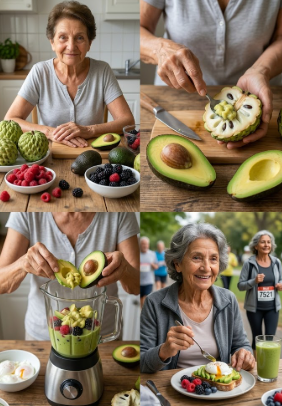
As our bodies age past 75, maintaining muscle mass becomes a primary health priority to prevent age-related muscle loss, known medically as sarcopenia. Muscle protein synthesis requires complete proteins containing all nine essential amino acids.
Whole eggs are widely regarded as a gold-standard biological protein source, delivering approximately 6 grams of complete protein along with essential choline, vitamin D, and bioavailable iron. While claims suggesting fruits replace eggs in total protein content are scientifically inaccurate, incorporating specific nutrient-dense fruits into your routine provides vital micronutrients that support cellular repair, gut health, and systemic inflammation reduction.
6 Nutrient-Rich Fruits That Complement Your Protein Intake
While no single fruit equals the exact protein density of an egg, adding these six nutrient powerhouses to a balanced diet offers unique health benefits that support overall vitality for seniors: 🍇
- Guava: Ranking among the highest-protein fruits available, one cup delivers around 4.2 grams of protein alongside a massive dose of Vitamin C for immune strength.
- Avocado: Rich in healthy monounsaturated fats and essential fiber, avocados support cardiovascular health and help absorb fat-soluble vitamins.
- Custard Apple (Cherimoya): Packed with potassium, magnesium, and dietary fiber, this tropical fruit aids blood pressure regulation and healthy digestion.
- Kiwi: High in proteolytic enzymes like actinidin, kiwi assists your stomach in breaking down dietary proteins more efficiently.
- Blackberries & Raspberries: Bursting with potent anthocyanin antioxidants that fight oxidative stress and support brain longevity.
- Bananas: Excellent sources of easily digestible carbohydrates and potassium, helping prevent muscle cramps and sustaining daytime energy.
Essential Safety Warnings and Common Senior Nutritional Mistakes
Believing that fruits replace eggs as a sole protein source can lead to accidental protein malnutrition in older adults. ⚠️ Relying exclusively on fruit while removing rich protein sources often causes muscle wasting, joint weakness, and reduced immune resilience over time.
Another common mistake is confusing quick energy from natural fruit sugars with long-term metabolic stability. Always pair fruit intake with high-quality protein sources like eggs, lean poultry, Greek yogurt, or legumes to maintain steady blood sugar levels and protect lean muscle mass.
Core Nutritional Comparison: Fruit Nutrition vs. Egg Quality
| Nutritional Component | Whole Eggs (2 Medium) | High-Protein Fruit Blend (1 Cup Guava & Avocado) |
| Total Protein | ~12g (Complete profile) | ~5g (Incomplete profile) |
| Primary Fat Type | Healthy unsaturated & saturated fats | Heart-healthy monounsaturated fats |
| Dietary Fiber | 0g | 8g – 10g |
| Key Micronutrients | Choline, Vitamin B12, Vitamin D, Lutein | Vitamin C, Potassium, Folate, Polyphenols |
Smart Storage and Meal Planning Tips for Optimal Freshness
To preserve the delicate vitamins and active enzymes found in fresh produce, store whole tropical fruits like custard apples and avocados at room temperature until ripe. Once mature, transfer them to the refrigerator crisper drawer to extend freshness for up to four days.
For the ultimate digestive benefit, consume fresh fruits early in the day or as a pre-meal starter. Combining sliced fruit with whole protein sources—such as poached eggs on avocado toast or hard-boiled eggs alongside fresh berries—creates a perfectly balanced meal that optimizes both muscle synthesis and gut performance. 🫐
Frequently Asked Questions (FAQ)
Do fruits replace eggs in baking and cooking recipes?
Yes, for culinary binding, mashed bananas, applesauce, or avocado can replace eggs in soft baked goods. However, they alter the textural structure and do not provide equal protein levels.
Can seniors get enough daily protein from a fruit-only diet?
No. Fruits generally contain very low levels of protein compared to daily senior requirements, which typically range between 1.0 to 1.2 grams of protein per kilogram of body weight.
What is the best time of day for seniors to consume fruit?
Morning or mid-afternoon is ideal. Eating fruit alongside a healthy protein or fat prevents rapid blood sugar spikes and delivers sustained natural energy throughout the day.
Achieving Peak Vitality After 75
True health in senior years relies on balance rather than extreme single-food swaps. While no single food works miracles in three days, combining protein-dense staples with vibrant, fresh fruits creates a synergistic diet that fuels longevity, supports joint mobility, and maintains strength. Focus on colorful, nutrient-dense whole foods every day to give your body the complete nourishment it truly deserves. 💪




