
- Chew crunchy vegetables: Munch on raw carrot sticks daily after meals to stimulate saliva production and naturally scrub surface debris from tooth enamel.
- Prepare a gentle polishing paste: Mix half a teaspoon of baking soda with a few drops of water until a smooth paste forms.
- Apply with soft bristles: Brush gently with the paste for no more than two minutes, using soft circular motions to remove superficial stains.
- Practice oil pulling: Swish one tablespoon of coconut oil around your mouth for ten minutes before spitting it into the trash and rinsing thoroughly.
The Reality Behind Viral Teeth Whitening Claims
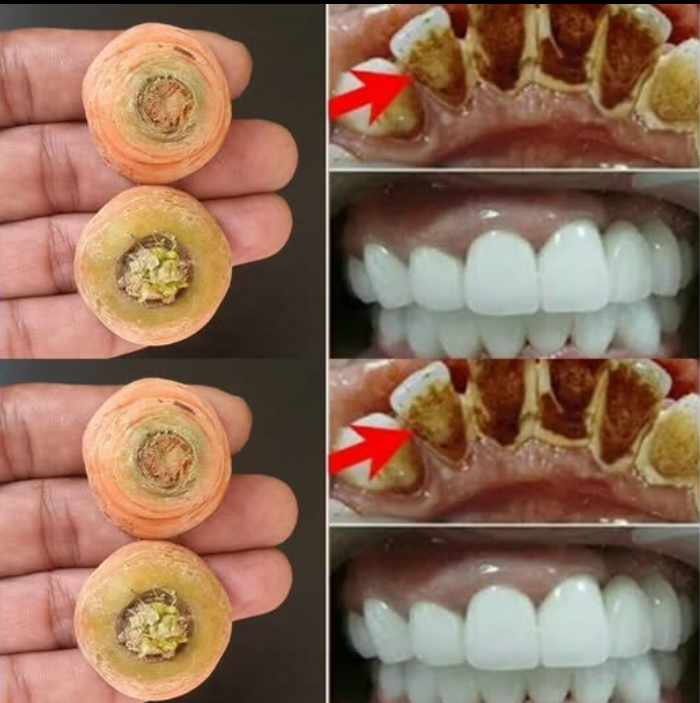
Viral social media posts frequently showcase miraculous two-minute remedies that claim to erase decades of buildup or severe tartar instantly. In reality, hardened dental calculus cannot be removed by food items like carrots or yellow spices. Calculus is mineralized plaque bonded firmly to the enamel, requiring specialized dental tools for safe scaling.
Raw vegetables like carrots act as natural abrasive cleaners during chewing, helping clear away loose food particles and soft plaque. However, expecting a home remedy for teeth whitening to yield instant professional results can lead to disappointment or improper brush techniques that damage delicate gums.
How Natural Brightening Agents Work on Stains
Natural whitening methods target extrinsic stains—the discoloration caused by coffee, tea, berries, or smoking on the outer enamel layer. Baking soda acts as a mild abrasive that buffs away surface spots without chemical bleaching agents.
Coconut oil pulling relies on lauric acid to reduce harmful oral bacteria and plaque formation over time. While these methods can help restore your enamel’s natural brightness, they do not alter intrinsic tooth color, which is determined by the underlying dentin layer. ✨
Risks of Overusing DIY Brightening Recipes
- Enamel erosion: Using harsh abrasives or acidic ingredients like lemon juice repeatedly can permanently wear down protective tooth enamel.
- Gum irritation: Aggressive scrubbing with homemade mixtures can cause gum recession and tissue inflammation.
- Increased sensitivity: Weakened enamel exposes dentin tubules, leading to sharp pain when consuming hot or cold foods.
- Incomplete plaque removal: Relying solely on home remedies causes underlying dental issues and deep tartar to remain untreated.
Key Metrics for Safe Oral Care
| Method | Safety Level | Target Effect | Recommended Frequency |
| Raw Carrot Chewing | Very High | Surface debris cleanup | Daily after meals |
| Baking Soda Paste | Moderate | Extrinsic stain removal | Once per week max |
| Coconut Oil Pulling | High | Plaque & bacteria control | 3–5 times weekly |
| Professional Scaling | Expert Level | Complete tartar removal | Every 6 months |
Sustaining Long-Term Dental Health and Radiance
Maintaining a bright smile requires consistent everyday habits rather than quick fixes. Brush twice daily with fluoride toothpaste using a soft-bristled toothbrush to protect enamel while removing fresh plaque daily. Daily flossing removes hidden food particles between teeth where brushes cannot reach. 🪥
Hydration plays a crucial role in maintaining white teeth. Drinking plenty of water throughout the day washes away dark pigments and fuels saliva production, which naturally protects enamel against acidic erosion. Schedule regular professional dental checkups to maintain deep cleanliness and structural health safely. 😁
Frequently Asked Questions
Can carrots turn yellow teeth white in two minutes?
No, carrots cannot bleach enamel or dissolve hardened tartar in two minutes. Chewing raw carrots gently scrubs away soft surface debris, but true whitening requires prolonged hygienic care or professional treatments.
Is baking soda safe for a home remedy for teeth whitening?
Baking soda is safe when used sparingly, such as once a week. Because it is mildly abrasive, daily use can wear down enamel over time, leading to sensitivity.
What is the best way to clean severe tartar buildup at home?
Hardened tartar cannot be safely removed at home. Attempting to scrape or dissolve tartar with household ingredients can ruin your enamel and injure gums, so professional scaling by a dentist is required.
Summary for a Healthier Smile
Achieving a healthy, radiant smile is a journey built on steady hygiene, balanced nutrition, and evidence-based care. While chewing fresh vegetables and using gentle natural polishers support oral cleanliness, avoiding unrealistic viral shortcuts preserves your long-term dental health. Share your favorite everyday wellness habits and enjoy caring for your smile naturally! 🌟




