
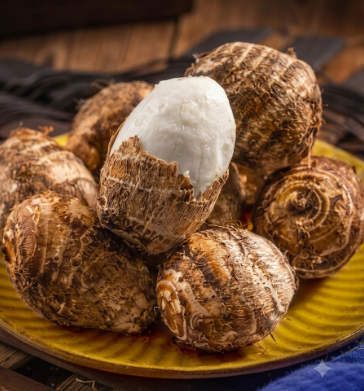
It is crucial to note that raw taro root contains calcium oxalate crystals, which cause severe throat irritation and mouth discomfort. Proper heat treatment completely neutralizes these compounds, making the root safe, delicious, and highly bioavailable.
Materials and Ingredients Needed:
- 1 medium fresh taro root (firm with smooth brown skin)
- 4 cups purified water
- 1 pinch sea salt
- 1 tablespoon olive oil or avocado oil
Step-by-Step Preparation Instructions:
- Protection: Wear gloves while peeling the outer skin of the raw taro root to prevent skin irritation from raw sap.
- Chopping: Slice the peeled root into uniform one-inch cubes using a sharp kitchen knife.
- Boiling: Place the cubes into a pot of boiling salted water and simmer uncovered for 20 to 25 minutes until soft and easily pierced with a fork.
- Finishing: Drain thoroughly, toss with olive oil and spices, and serve warm as a wholesome alternative to conventional white potatoes.
Key Taro Root Benefits for Overall Vitality and Immune Strength
1. Robust Digestive Support and Gut Balance
With over five grams of fiber per cooked cup, incorporating taro into your weekly routine significantly improves bowel regularity. The combination of soluble fiber and resistant starch helps cultivate a balanced microbiome, which directly reinforces systemic immunity.
2. Enhanced Cardiovascular Health
The abundance of potassium found in taro root helps balance sodium levels within the bloodstream. This physiological action relaxes blood vessel walls, supporting healthy blood pressure levels and lowering strain on the heart.
3. Balanced Blood Sugar Control
Because resistant starch digests gradually, it prevents sharp insulin spikes. Replacing high-glycemic foods with taro encourages steady, sustained energy release throughout the day ⚡.
Fact-Checking Myths and Crucial Safety Warnings
While viral claims occasionally suggest that taro can overnight clean pulmonary tissues or erase internal organ damage, scientific evidence does not support direct lung detox claims. Respiratory recovery depends primarily on avoiding toxins, remaining well-hydrated, and supporting overall health with a balanced, antioxidant-dense diet.
Important Safety Note: Never consume raw taro root under any circumstances. Always boil, steam, or roast the root thoroughly to neutralize calcium oxalates. Individuals with a history of kidney stones should consume taro in moderation due to its natural oxalate content.
Core Nutritional Values (Per 100g Cooked Taro)
- Calories: 142 kcal
- Dietary Fiber: 5.1 g
- Potassium: 484 mg
- Vitamin C: 5 mg
- Magnesium: 30 mg
Storage and Preservation Guidance
To keep fresh taro root from spoiling, store unpeeled roots in a cool, dark, and well-ventilated space away from direct sunlight. Avoid refrigerating raw taro, as cold temperatures alter its starch texture. Once cooked, store leftovers in an airtight glass container inside the refrigerator for up to 4 days.
Frequently Asked Questions (FAQ)
Can taro root directly clean or heal damaged lungs?
No, taro root cannot directly wash or detoxify lung tissue. However, its high antioxidant profile and immune-boosting nutrients support overall systemic inflammation reduction, helping your body’s natural recovery processes.
What is the healthiest way to cook taro root?
Steaming or boiling peeled taro root is the healthiest method. This softens the fiber, neutralizes raw oxalates, and preserves its natural minerals without adding unnecessary fats.
How often can I include taro root in my diet?
Enjoying cooked taro two to three times per week as a complex carbohydrate side dish is a safe and highly nutritious way to enjoy maximum taro root benefits while diversifying your nutrient intake.
Final Thoughts on Taro Root
Incorporating nutrient-dense whole foods into a balanced routine is one of the most effective steps toward sustainable wellness 🌟. By preparing this versatile root safely through thorough cooking, you unlock its natural fiber, essential minerals, and long-lasting energy potential. Embrace whole foods and make informed choices for long-term health!




