
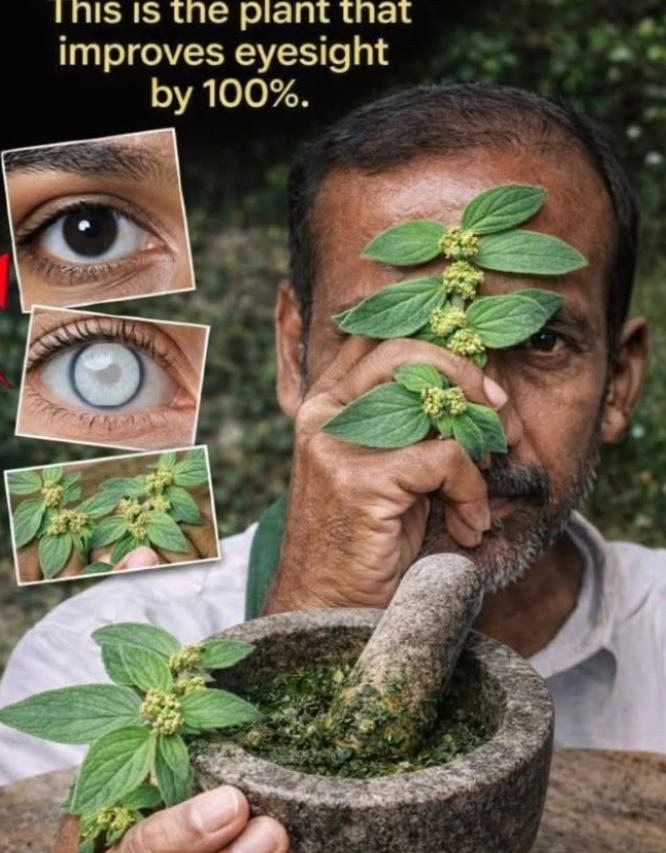
The plant often referred to in traditional lore as Big-Leaf Milkweed (frequently associated with Euphorbia hirta or spurge varieties) is a low-growing herb native to tropical and subtropical regions. Known for its milky latex sap and cluster-like flowers, this botanical has a long history in herbal practices for skin conditions, respiratory support, and digestive discomfort.
In several traditional healing traditions, extracts of milkweed species were historically prepared for various ailments. However, modern botanical research emphasizes that not all traditional applications are safe for direct ocular use, making proper medical context vital.
Debunking the Eye-Care Myth: Does Big-Leaf Milkweed Improve Vision?
You may have seen dramatic claims asserting that Big-Leaf Milkweed can restore vision by 100% or instantly clear cataracts. From an evidence-based medical standpoint, these claims are false and dangerous. 🛑
While certain plants contain antioxidants that support overall systemic health, there is no scientific evidence that applying milkweed sap or crude herbal preparations to the eyes can cure refractive errors, cataracts, or glaucoma.
- Corneal Irritation Risk: The milky sap inside milkweed plants contains diterpene esters and toxic compounds that can cause severe chemical burns to the cornea.
- Risk of Keratoconjunctivitis: Direct eye contact with raw milkweed latex often leads to extreme pain, intense swelling, light sensitivity, and temporary vision loss.
- Secondary Infection: Applying unsterilized home preparations directly onto sensitive eye tissues creates a massive risk for severe bacterial or fungal ocular infections.
Safe Ways to Incorporate Herbal Wellness for Eye Health
While putting Big-Leaf Milkweed directly into your eyes is unsafe, supporting your eye health through safe, science-backed lifestyle habits and systemic nutrition is highly beneficial. 🌿
1. Prioritize Dietary Antioxidants
Instead of topical herbal sap, rely on proven dietary antioxidants like lutein, zeaxanthin, vitamin C, and vitamin A. Leafy green vegetables, carrots, bell peppers, and berries support retinal health from within.
2. Practice Proper Screen Hygiene
Digital eye strain is one of the primary causes of modern vision discomfort. Follow the 20-20-20 rule: every 20 minutes, look at an object 20 feet away for at least 20 seconds to relax your eye muscles.
3. Protect Eyes from UV Damage
Exposure to ultraviolet rays accelerates cataract formation and retinal degradation. Wear high-quality sunglasses offering 100 percent UV protection whenever outdoors.
Core Facts: Big-Leaf Milkweed Botanical Profile
| Property | Details |
| Botanical Family | Euphorbiaceae / Asclepiadaceae |
| Key Plant Compounds | Flavonoids, tannins, triterpenes, and milky latex sap |
| Traditional Context | Historically used in oral decoctions for respiratory or skin issues |
| Ocular Safety Warning | Toxic to eye tissue; raw sap causes severe chemical irritation |
Important Safety Warnings & Best Practices
If you collect or work with Big-Leaf Milkweed for any traditional practice, basic safety precautions are necessary to prevent accidental injury: ⚠️
- Always wear gloves: When handling milkweed plants, wear protective gloves to prevent milky sap from contacting your skin.
- Never touch your eyes: Wash your hands thoroughly with soap and water after gardening or handling wild herbs.
- Consult an optometrist or ophthalmologist: If you suffer from vision changes, blurry sight, or eye discomfort, seek professional medical evaluation immediately rather than self-treating with raw herbs.
Frequently Asked Questions (FAQ)
Can Big-Leaf Milkweed sap cure cataracts or glaucoma?
No. Cataracts require modern surgical removal, and glaucoma requires medical management to control intraocular pressure. Applying herbal sap to the eye will not cure these conditions and can cause serious chemical harm.
Why did traditional medicine use milkweed for eyes?
In historical folk medicine, highly diluted plant infusions were sometimes used due to lack of modern care. However, historical use does not mean safety, and medical science now knows the sap is toxic to eye membranes.
What should I do if milkweed sap accidentally gets into my eye?
Flush your eye immediately with clean, lukewarm water or sterile saline solution for at least 15 minutes, and seek emergency medical attention right away.
Sustaining Healthy Vision naturally
Maintaining clear, vibrant sight relies on evidence-based nutrition, regular comprehensive eye exams, and protecting your eyes from physical injury and UV light. While natural remedies offer many health benefits, keeping raw plant sap far away from your eyes is the smartest step you can take to guard your vision for years to come. 👁️✨ Share this vital health safety guide with friends and family who love herbal wellness!




