
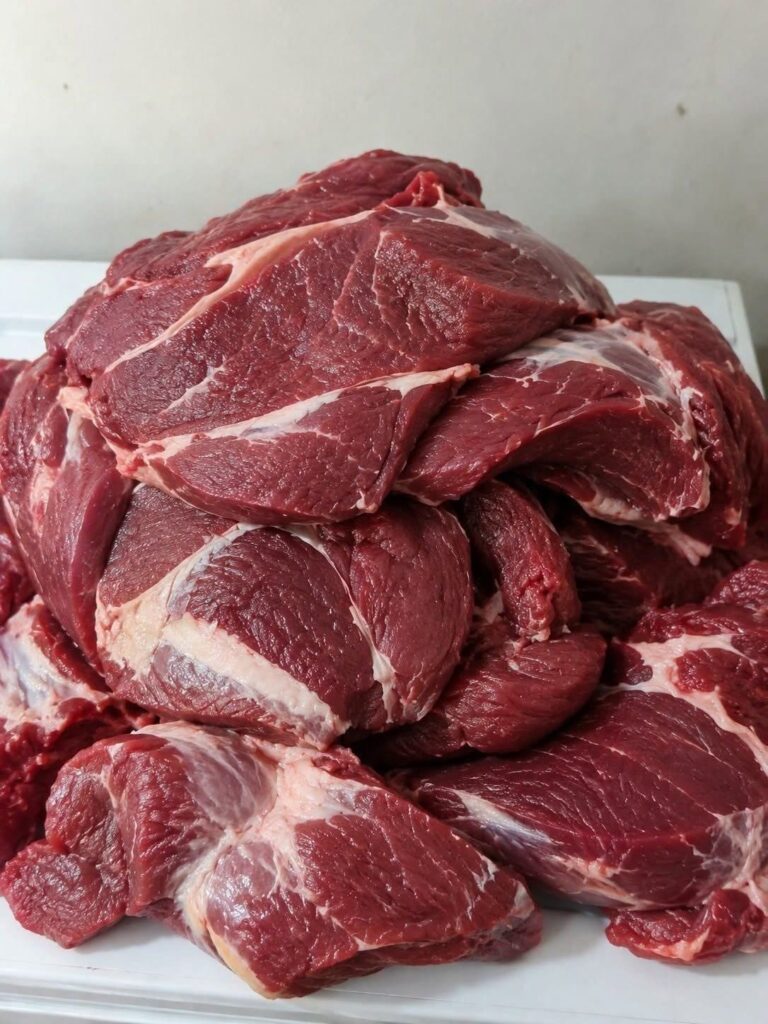
# Why Ground Beef Turns Grey Inside and Is It Safe to Eat?
Why ground beef turns grey inside is one of the most alarming surprises you can encounter when unwrapping fresh meat for dinner. You cut into a package expecting a rich, vibrant cherry-red center, only to find a dull, grayish-brown core staring back at you. It immediately triggers a wave of hesitation, making you question whether dinner is about to send your household to the emergency room or if you are simply witnessing a harmless chemical process. Understanding why ground beef turns grey inside helps you instantly recognize the crucial difference between normal meat oxidation and real, dangerous spoilage.
When ground beef is freshly processed, its interior meat naturally retains a brownish or grayish color due to a lack of exposure to oxygen. The bright red hue that shoppers commonly associate with fresh beef is created when a protein called **myoglobin** binds with oxygen in the surrounding air to form **oxymyoglobin**. Because tight plastic wrap seals out atmospheric oxygen from reaching the deep inner layers of a tightly packed meat block, the interior remains in an unoxygenated state known as **deoxymyoglobin**. Once you slice or break open the block and let it sit exposed to air for about fifteen minutes, that dull gray interior will often bloom back into a healthy, appetizing red.
—
## The Science Behind Meat Oxidation and Color Changes
To understand why ground beef turns grey inside, it helps to examine the underlying physiological chemistry of animal muscle tissue. Myoglobin is an iron-rich protein responsible for storing oxygen within muscle cells, acting similarly to hemoglobin in human blood. In its natural state, without oxygen attached, myoglobin exhibits a dark purplish-gray shade.
When butcher shops package ground beef, the exterior layer comes into direct contact with oxygen, turning bright red instantly. However, inside the dense core, oxygen cannot penetrate. This absence of air keeps the internal iron molecules in a reduced state. As long as the meat has been stored at safe temperatures, this color variation is completely normal and chemically safe.
—
## Critical Differences Between Normal Oxidation and Food Spoilage
While oxygen deprivation explains why ground beef turns grey inside in most freshly purchased packages, true bacterial spoilage causes very different physical signals. Pathogenic and spoilage bacteria thrive when meat is mishandled, kept past its shelf life, or exposed to temperature fluctuations above 40 degrees Fahrenheit.
Knowing how to evaluate your beef using multiple sensory cues ensures you never cook tainted food while preventing unnecessary food waste.
* **Smell Test:** Fresh beef has a mild, clean metallic scent, whereas spoiled beef releases a sharp, sour, ammonia-like, or putrid odor.
* **Texture Check:** Fresh ground meat feels firm and breaks apart cleanly, whereas spoiled meat feels noticeably slimy, sticky, or tacky to the touch.
* **Overall Color Distribution:** Normal oxidation shows a clear contrast between a bright red exterior and a dull gray core. If the **outside layer** turns completely gray or greenish-brown, spoilage has set in.
—
## Safe Storage Practices to Maintain Freshness
Preventing unwanted color changes and bacterial growth requires strict temperature controls and proper handling from the grocery store to your kitchen counter.
Keep your refrigerator set consistently at or below 38 degrees Fahrenheit to slow down enzymatic reactions and bacterial proliferation. Always store raw ground beef on the lowest shelf of your refrigerator inside a tray or dish to prevent accidental drips onto ready-to-eat foods.
If you do not plan to cook your ground beef within two days of purchase, transfer it immediately to the freezer. Wrapping the original packaging tightly in heavy-duty aluminum foil or placing it inside a vacuum-sealed freezer bag shields the meat from freezer burn while preserving its cellular integrity.
—
## How Oxygen Exposure Affects Cooking Quality and Flavor
Many home cooks worry that oxidized gray beef will taste off or yield a tough texture during cooking. Fortunately, unoxygenated gray meat tastes virtually identical to bright red meat once cooked to safe temperatures.
When ground beef hits a hot skillet, heat rapidly alters myoglobin into **metmyoglobin**, turning the entire mixture a uniform, deep brown color regardless of its starting hue. The ultimate flavor and juiciness depend entirely on fat content and proper cooking techniques rather than the initial interior shade.
However, if meat remains exposed to oxygen for extended periods in your fridge, oxymyoglobin eventually degrades into metmyoglobin across the outer surface too. While mild oxidation does not automatically mean the meat is unsafe, prolonged exposure eventually degrades lipid structures, leading to rancid off-flavors.
—
## When to Throw Away Suspicious Meat
Trusting your instincts is vital when dealing with raw animal proteins. If ground beef exhibits an off-putting odor, a sticky texture, or a completely gray exterior, discarding it is always the safest path forward.
Eating spoiled ground meat exposes your digestive system to harmful pathogens like *E. coli*, *Salmonella*, and *Staphylococcus aureus*, which can produce heat-resistant toxins that survive even thorough cooking.
The ultimate test to determine if your gray beef is simply unoxygenated or completely ruined depends on a quick, simple reaction that happens within minutes of opening the package….👇👇
Exposing the inner gray portion of the meat directly to room-air oxygen for 15 to 20 minutes allows the myoglobin to bind with oxygen molecules and turn bright red. If the gray interior transforms back into a vibrant red color while maintaining a clean scent and firm texture, the meat is perfectly safe to cook and enjoy.
—
## Step-by-step Guide to Safely Thawing and Cooking Ground Beef
1. **Thaw Slowly in the Fridge:** Always move frozen ground beef from the freezer to the refrigerator 24 hours before cooking to maintain safe temperature limits.
2. **Perform a Tri-Sensor Test:** Inspect the color, smell the package immediately upon opening, and feel the surface texture for any unusual stickiness.
3. **Allow Interior Blooming:** If you notice a gray core, break the block apart and let it sit at room temperature for 10 to 15 minutes to allow oxygen to restore its red shade.
4. **Cook to a Safe Internal Temperature:** Use a digital meat thermometer inserted into the thickest part of your patty or ground beef blend to ensure it reaches a minimum internal temperature of 160 degrees Fahrenheit.
—
### Frequently Asked Questions
**Is ground beef safe if it turns gray on the outside?**
If the outside of the ground beef turns gray or brown, it indicates advanced oxidation or bacterial growth. If accompanied by a sour smell or sticky texture, it should be thrown away immediately.
**Can you freeze ground beef that has turned gray inside?**
Yes, as long as the color change is due to simple oxygen deprivation and the meat has been kept under 40 degrees Fahrenheit, it is safe to freeze and consume later.
**Does cooking spoiled ground beef kill all harmful bacteria?**
No, while thorough cooking kills live bacteria, it cannot destroy the toxic chemical bypasses and heat-stable toxins already produced by spoilage bacteria, which can still cause severe food poisoning.
—
Proper food safety relies on understanding natural biological processes rather than relying solely on visual appearance. By checking scent, texture, and giving unoxygenated meat a few minutes to bloom in fresh air, you can confidently cook delicious, safe meals every time without wasting perfectly good food! 🥩✨🍳




