
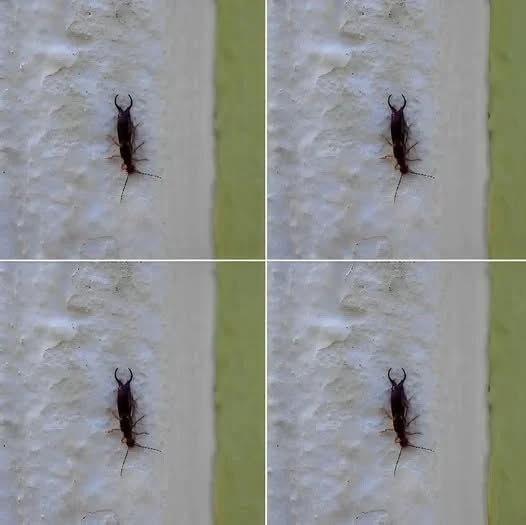
Earwigs in the House: How to Get Rid of Them Naturally Fast
Earwigs in the house are among the most disturbing insects you can encounter crawling along your baseboards, inside bathroom sinks, or near houseplant soil. Seeing these dark, fast-moving pests with prominent forcep-like pincers emerging from dark corners instantly makes anyone feel uncomfortable in their own home. While old wives’ tales claim they crawl into human ears to nest in brains, the reality is far less terrifying, even if their sudden appearance remains a major headache.
Understanding why earwigs in the house suddenly swarm your living space is the crucial first step toward reclaiming your home without resorting to harsh chemical sprays. These nocturnal insects thrive in damp, dark environments, seeking out tiny cracks, excessive humidity, and decomposing organic matter. When weather conditions outside become too dry or too wet, these opportunistic moisture-seekers migrate indoors, hiding behind damp towels, beneath potted plant saucers, around leaking pipes, and near basement doors.
Why Earwigs Invade Indoors and What Attracts Them
To permanently keep earwigs in the house from returning, you must understand what draws them inside in the first place. These dark insects are nocturnal scavengers that naturally seek out moist, shaded areas. Outside, they gather under damp mulch, rotting wood, fallen leaves, and garden stones. However, when summer heat dries up outdoor moisture reserves or heavy rainfall floods their ground habitats, they seek shelter through foundation gaps, window sills, and unsealed door thresholds.
Once inside, earwigs in the house look for domestic equivalents of their outdoor havens. High-humidity areas like bathrooms, crawlspaces, unfinished basements, and laundry rooms become primary targets. They are also drawn to decaying plant tissue, damp cardboard boxes, and forgotten pet food left out overnight.
The Hidden Harms and Myths Surrounding These Pests
Many homeowners panic when spotting earwigs in the house due to long-standing urban legends. Let us set the record straight: earwigs do not crawl into sleeping humans’ ears to lay eggs, nor are they venomous. Their terrifying rear pinchers, known as cerci, are used primarily for defense against predator insects and during mating displays. A human pinch from an earwig rarely breaks the skin and causes minimal discomfort.
However, having an active population of earwigs in the house is far from harmless. They contaminate food pantries, nibble on interior houseplants, leave behind faint foul odors when crushed, and their presence usually signals a much larger underlying problem: excessive interior moisture and hidden structural entry gaps. Addressing an infestation early prevents them from multiplying and damaging stored paper products, textiles, and domestic greenery.




