Sponge Cake in exchange for a simple set of pantry staples is one of the most rewarding trades a home baker can make. This classic dessert relies on the physics of air rather than heavy leavening agents, resulting in a golden, cloud-like texture that melt in your mouth. Whether you are hosting a tea party or looking for a reliable base for a birthday masterpiece, the sponge cake is the undisputed queen of the kitchen. 🍰
Table of Contents
The Magic of the Sponge Technique
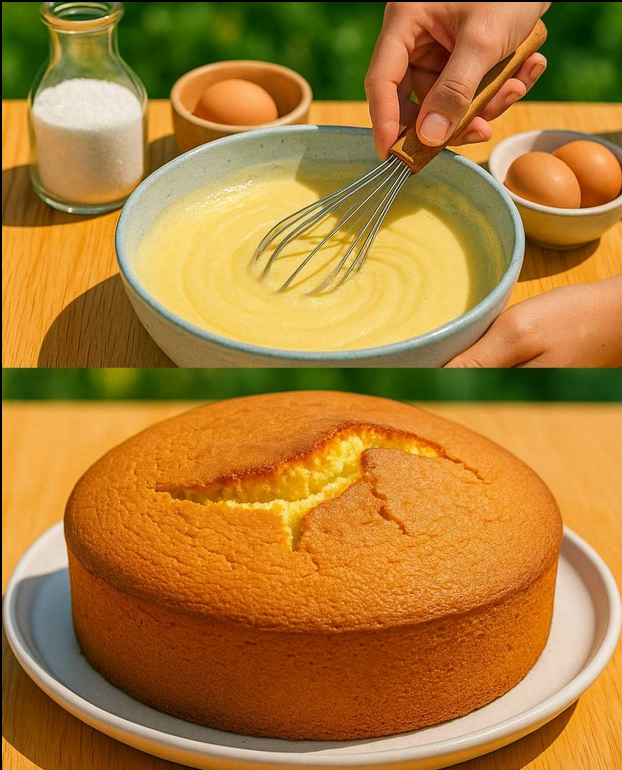
Unlike dense butter cakes, a true sponge cake gains its volume from whipped eggs. The process involves beating air into the eggs until they reach a “ribbon stage,” where the mixture is pale, thick, and leaves a visible trail when the whisk is lifted. This trapped air expands in the heat of the oven, pushing the batter upward to create that signature height and airy crumb. It is a delicate balance of chemistry and patience.
Ingredients You Will Need
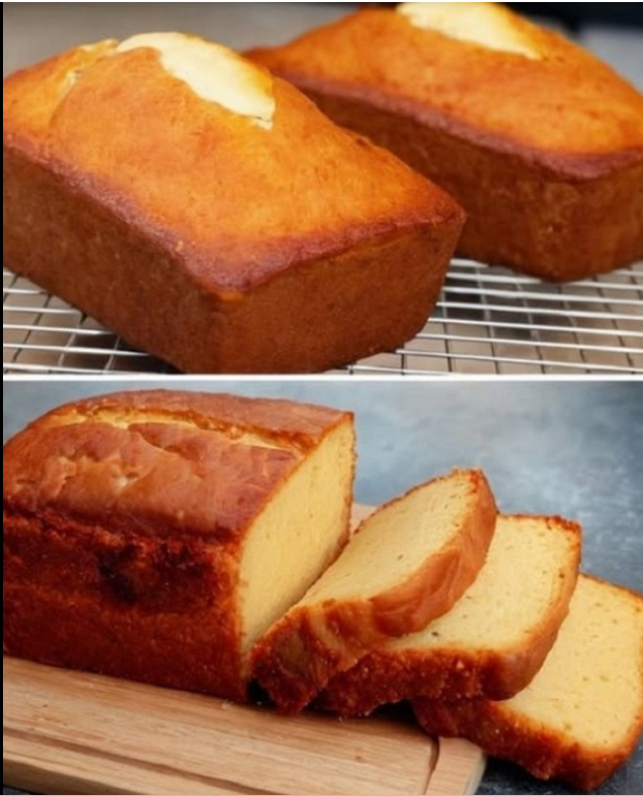
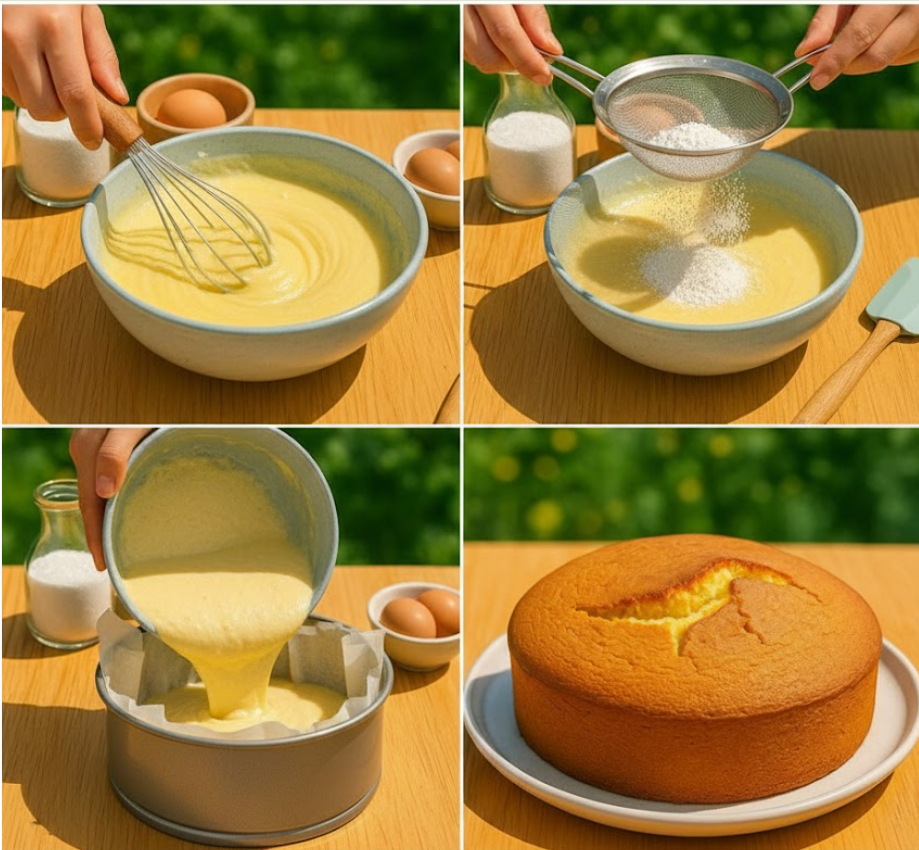
To achieve that perfect golden finish shown in the images, you only need a handful of high-quality items:
- 6 Large Eggs: Room temperature is essential for maximum volume.
- 1 cup Granulated Sugar: To sweeten and stabilize the egg foam.
- 1 cup All-Purpose Flour: Sifted multiple times to prevent clumps.
- 1 tsp Vanilla Extract: For a classic, warm aroma.
- 1/2 tsp Baking Powder: A tiny boost to ensure a consistent rise.
- A pinch of Salt: To enhance the overall flavor profile.
Step-by-Step Preparation
1. Prep the Oven and Pan: Preheat your oven to 180°C (350°F). Grease a round cake tin and line the bottom with parchment paper, but leave the sides ungreased so the cake can “climb” the walls as it bakes. 🥣
2. Whip the Eggs and Sugar: In a large bowl, beat the eggs and sugar together on high speed for about 8–10 minutes. The mixture should triple in volume and become thick and pale. Stir in the vanilla extract at the end.
3. Sift and Fold: Sift the flour, baking powder, and salt together. Using a spatula, gently fold the dry ingredients into the egg mixture in three batches. Be extremely careful not to deflate the air bubbles you just created.
4. Bake to Perfection: Pour the batter into the prepared tin and bake for 25–30 minutes. Do not open the oven door early! The cake is done when a skewer inserted into the center comes out clean.
5. Cool Upside Down: To prevent the cake from collapsing, let it cool in the pan for 10 minutes, then turn it out onto a wire rack to cool completely. ✨
Pro Tips for Success
A common factual reference in pastry arts is that the weight of the sugar should ideally equal the weight of the flour for a balanced crumb. Additionally, ensuring your mixing bowl is completely free of grease or oil is vital, as any residual fat can prevent the eggs from reaching their full aerated potential.
Conclusion
Mastering the sponge cake is a fundamental skill that opens the door to endless dessert possibilities, from fruit-topped trifles to elegant layer cakes. Its simplicity is its strength, proving that you don’t need complex ingredients to create something extraordinary. 🎂
What is your favorite way to serve a fresh sponge cake—plain with tea, or loaded with fresh cream and berries? Let us know in the comments!